Monitoring & Evaluation
Protected-area staff are trained to run biodiversity surveys and log data into a monitoring system that measures management effectiveness — using presence/absence indices, valuable for endangered species.
Component 1Surveys

At present there is no cross-border collaboration in forest management or wildlife conservation between the two countries, which run different legal and administrative systems.
The project brings together the statutory bodies with the mandate to protect forests and wildlife — the Forest Services and Wildlife Divisions of Ghana's Forestry Commission, and SODEFOR and the national parks service (OIPR) in Côte d'Ivoire — to establish a common management plan for the Trans-boundary Conservation Area.
Delivered across three components — from monitoring and restoration to conservation in the production landscape.
Protected-area staff are trained to run biodiversity surveys and log data into a monitoring system that measures management effectiveness — using presence/absence indices, valuable for endangered species.
Bringing Ghana's Forestry Commission together with SODEFOR and OIPR in Côte d'Ivoire to establish one common management plan for the Trans-boundary Conservation Area.
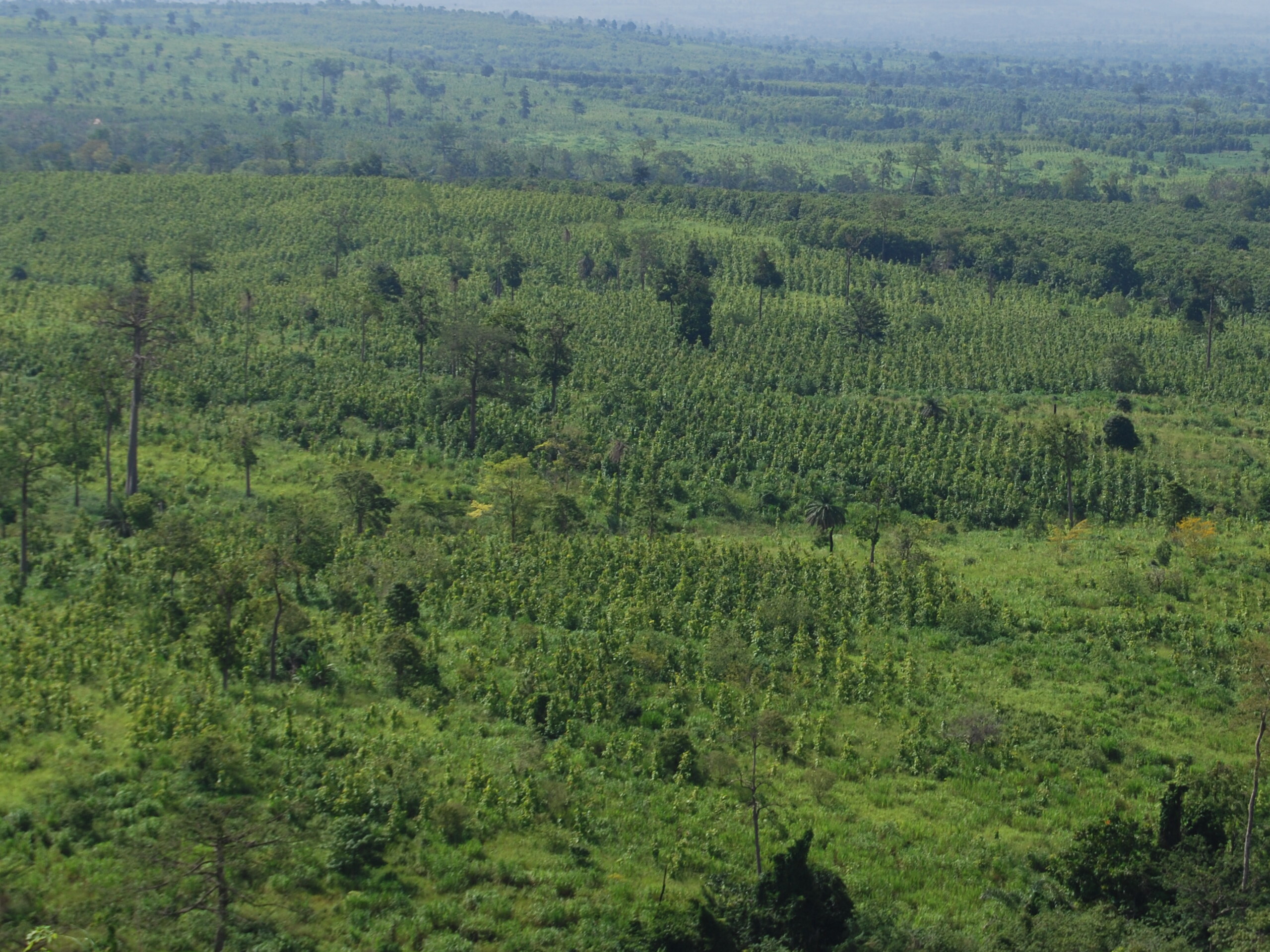
Enrichment planting and assisted natural regeneration restore a 1 km-wide wildlife corridor between Bia and Diambarakro, Diambarakro and Bossematié, and Bossematié and Beki.
Two new Community Resource Management Areas are established on the Ghanaian side, while Côte d'Ivoire strengthens its Community Forests — all monitored for compliance with the shared plan.
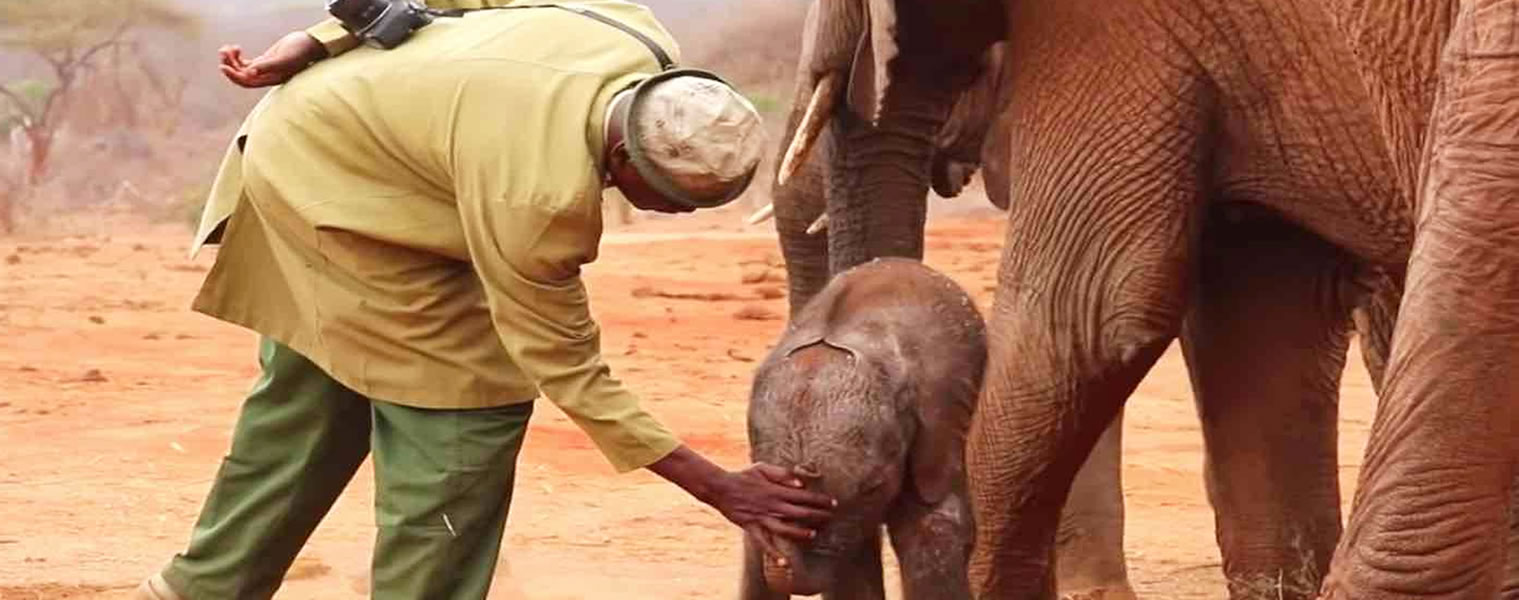
Most West African forest elephants now live in small reserves ringed by farms, exposing crops to raiding. Farmers and wildlife staff are trained in environmentally friendly ways to manage the conflict.
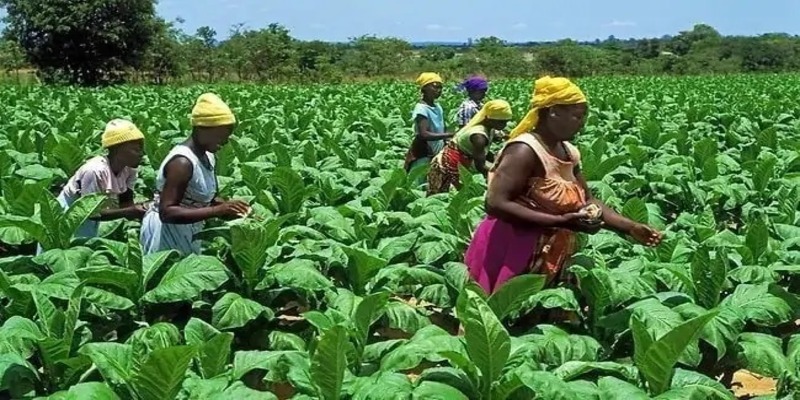
Through a trainer-of-trainers model, farmer representatives in Ghana and Côte d'Ivoire learn sustainable agroforestry and shade management — easing the deforestation driven by cocoa expansion.
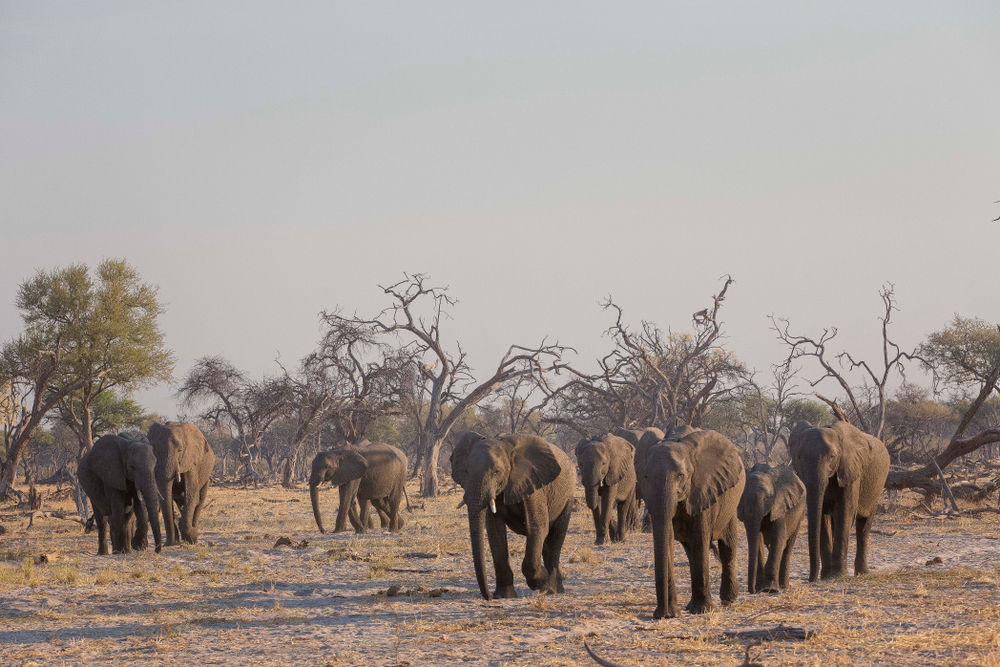
Human–wildlife conflict arises when wildlife needs collide with human ones — costing both residents and animals. Around small forest reserves, elephants and farmers live in close, difficult proximity.
Forest elephants confined to reserves surrounded by farmland.
Proximity exposes farms to damage and elephants to hunting.
Farmers and wildlife staff learn environmentally friendly management.
The GEF/FAO transboundary programme is organised around three reinforcing components spanning both countries.
Stronger protected-area management, monitoring and evaluation.
Tree-ownership schemes, CREMAs and wildlife-corridor planting.
Conflict management and sustainable cocoa agroforestry.
Help sustain cross-border conservation that protects forest elephants and the communities who share their landscape.
Join our community and get conservation stories straight to your inbox.