
Why farmers reach for hazardous pesticides
Cocoa contributes 3% of Ghana's GDP — but the excessive use of Highly Hazardous Pesticides (HHPs) is a growing concern. Our study set out to understand what really drives it.
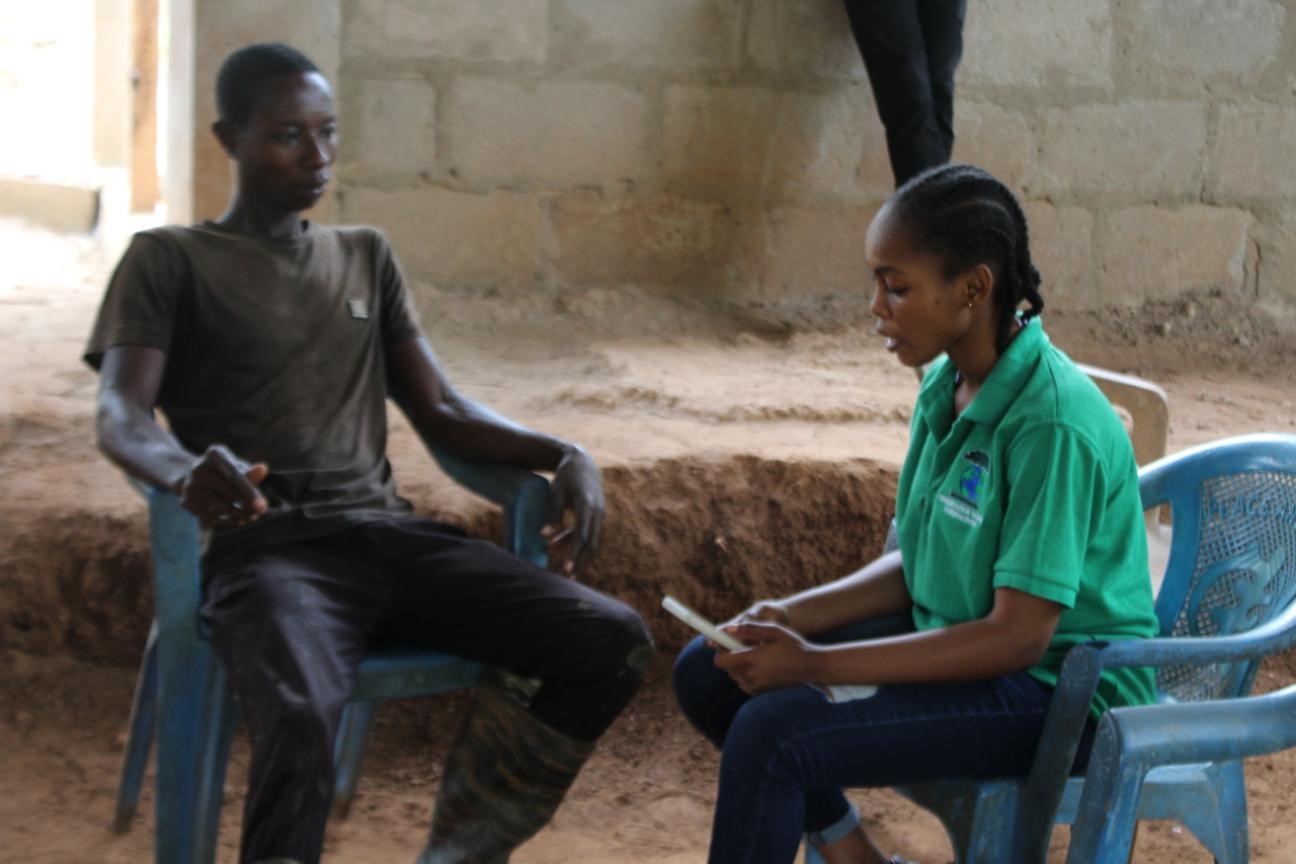
Following the reasons, not just the symptoms
Pesticide application against pests and diseases has become a serious concern in cocoa — driven by the excessive use of Highly Hazardous Pesticides.
In a collaborative study between Conservation Alliance and GIZ, we investigated the factors behind this excessive use. Affordability and recommendation emerged as the key drivers — shaped in turn by illiteracy and the low financial status of many cocoa farmers.
Because many farmers cannot read the approved-pesticide lists, they depend on the advice of friends, extension officers and dealers — and on whatever costs the least.
What drives HHP use
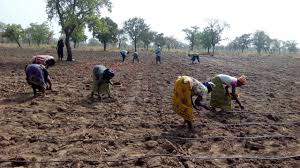
Two key drivers
Above all, affordability and recommendation determine which pesticides farmers apply to their cocoa.
Affordability
HHPs cost less than government-approved pesticides — decisive for farmers on low incomes.
Recommendation
Choices follow the advice of friends, extension officers and pesticide dealers.
Illiteracy
Unable to read the labels, farmers can't identify the pesticides approved for their farms.
Low Financial Status
Tight budgets push farmers toward the cheapest option available — often an HHP.
The pesticides research series
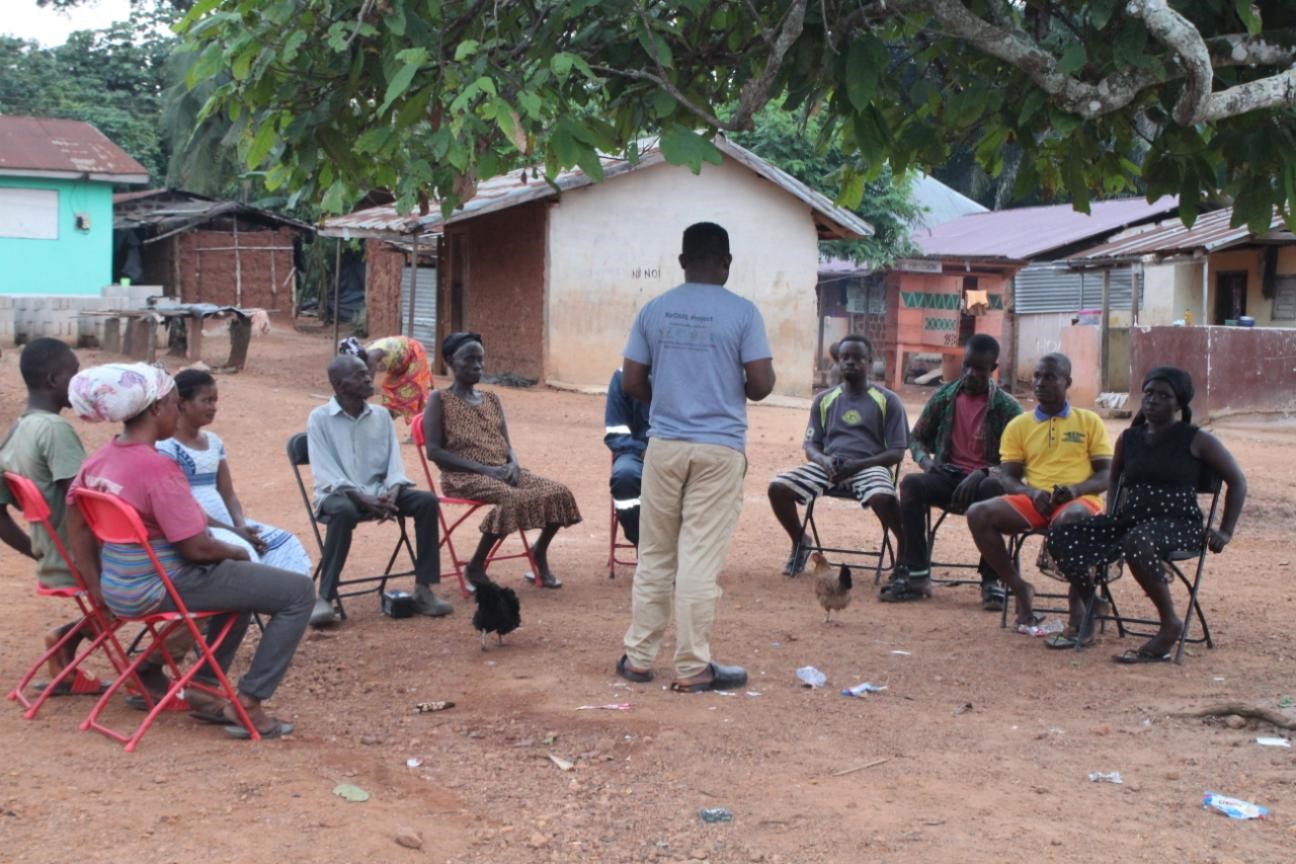
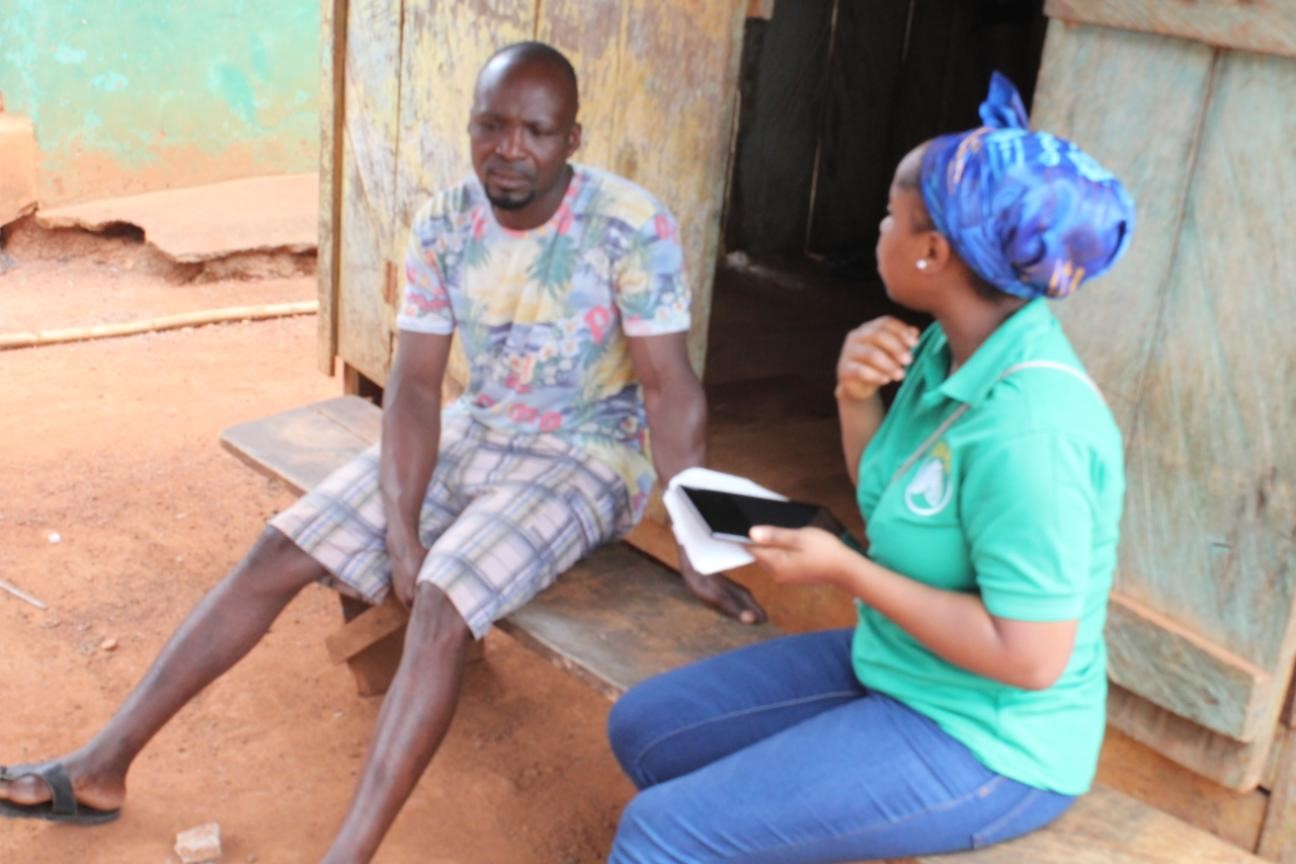
Turn evidence into safer farms
Our research points the way to safer, affordable pest management for cocoa farmers. Partner with us to act on it.