
National Monitoring Support Initiative
Strengthening Ghana's biodiversity monitoring systems to support the implementation of the Kunming-Montreal Global Biodiversity Framework (KMGBF) and the country's National Biodiversity Strategy and Action Plan (NBSAP).
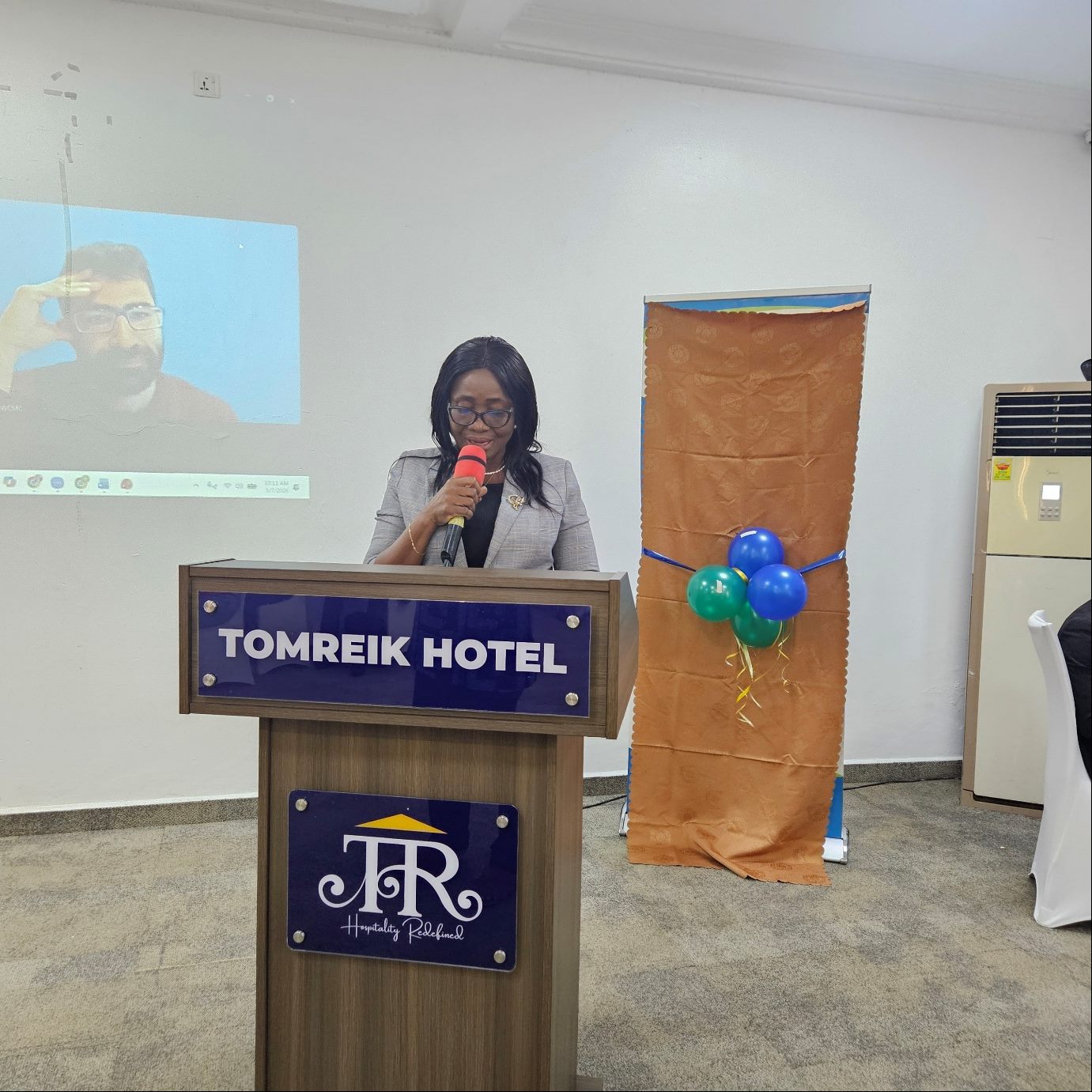
Ghana Launches National Biodiversity Monitoring Initiative to Strengthen Conservation and Deliver Global Biodiversity Commitments
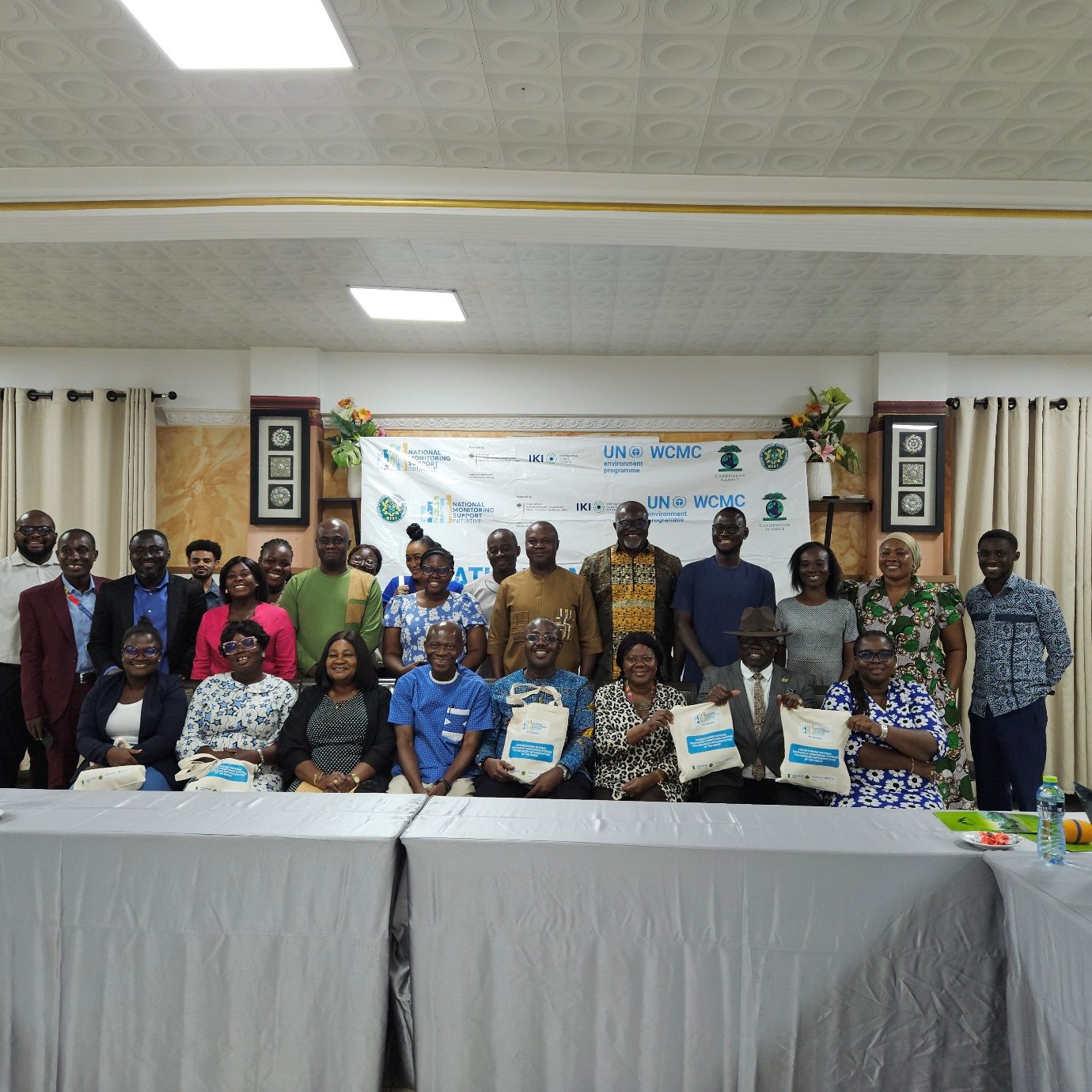
Conservation Alliance International, in partnership with the Ministry of Environment Science and Technology and the United Nations Environment Programme World Conservation Monitoring Centre (UNEP-WCMC), officially launched the National Monitoring Support Initiative (NMSI) in Ghana on 7 May 2026 in Accra. The five-year initiative, funded by the International Climate Initiative (IKI) of the German Federal Ministry for the Environment, Climate Action, Nature Conservation and Nuclear Safety aims to strengthen Ghana's biodiversity monitoring systems to support the implementation of the Kunming-Montreal Global Biodiversity Framework (KMGBF) and the country's National Biodiversity Strategy and Action Plan (NBSAP).
The launch brought together representatives from government ministries and agencies, academia, research institutions, civil society organizations, development partners, the private sector, and environmental organizations, reflecting a shared commitment to improving biodiversity monitoring and evidence-based environmental decision-making.
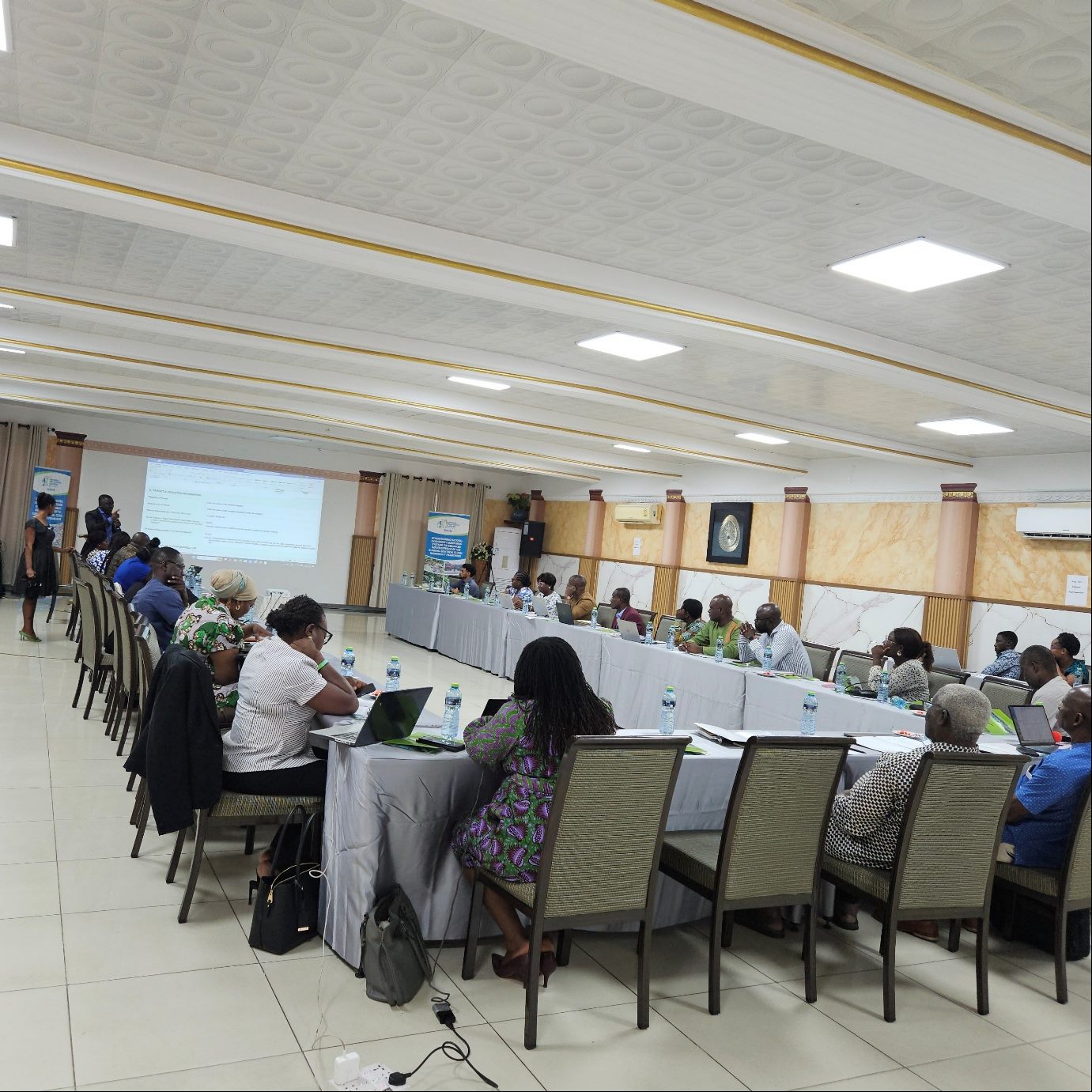
During the event, speakers emphasized the urgent need for coordinated biodiversity monitoring in response to increasing pressures from land-use change, habitat degradation, pollution, and climate change. Presentations explored Ghana's current monitoring systems across terrestrial, marine, coastal, and inland water ecosystems, highlighting both existing strengths and the need for stronger institutional collaboration, standardized data systems, modern technologies, and enhanced technical capacity.
The initiative will support Ghana in assessing institutional capacities, identifying monitoring gaps, strengthening biodiversity data management, and developing a National Biodiversity Monitoring Implementation Plan. These efforts will improve the country's ability to track progress towards national biodiversity goals and meet international reporting obligations under the Convention on Biological Diversity.
As the project moves forward, a series of technical workshops, stakeholder consultations, and capacity needs assessments will be conducted across the country to inform the development of an integrated, inclusive, and sustainable national biodiversity monitoring system. By strengthening collaboration across sectors and improving access to reliable biodiversity data, the NMSI will contribute to more effective conservation planning, evidence-based policymaking, and the achievement of Ghana's biodiversity commitments by 2030.
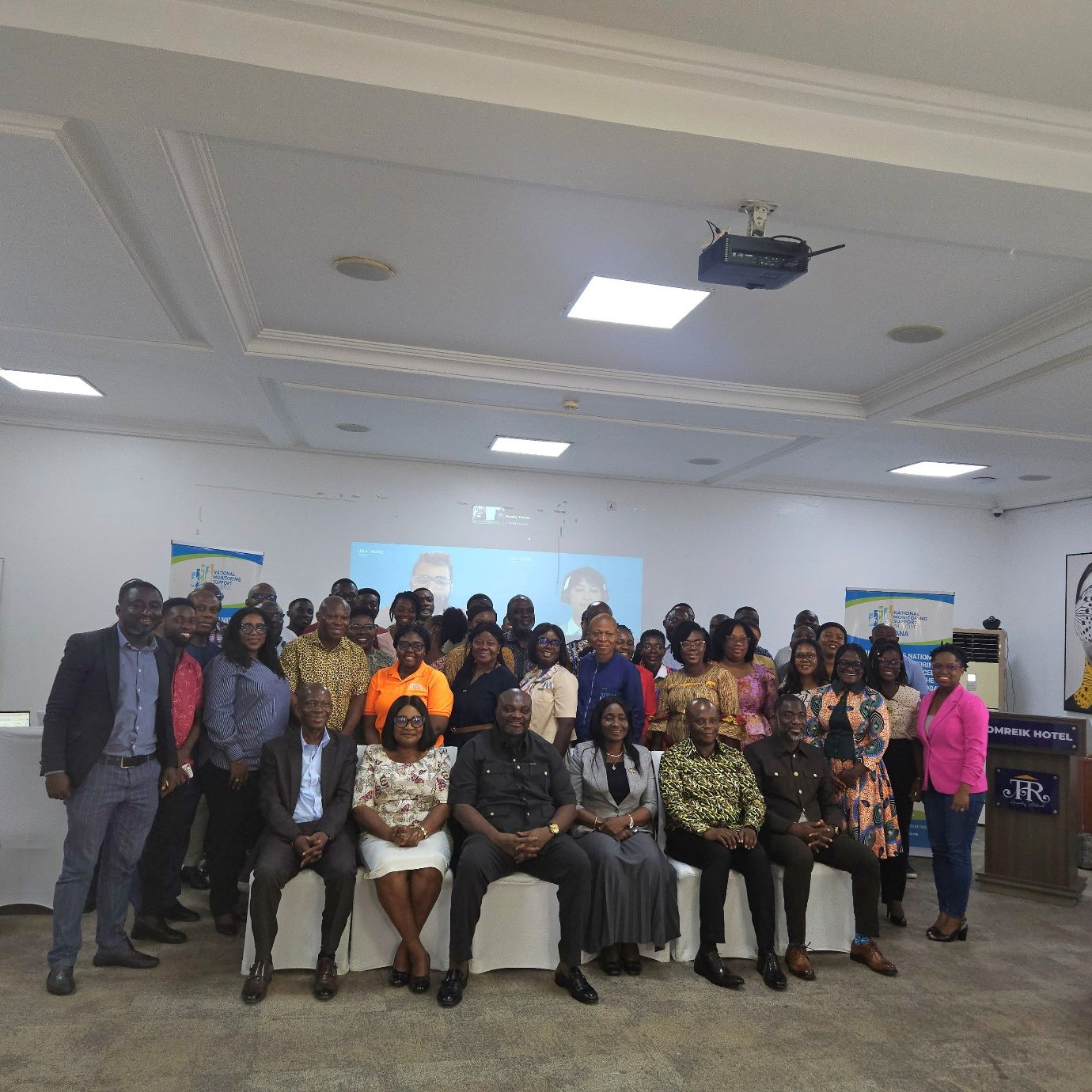
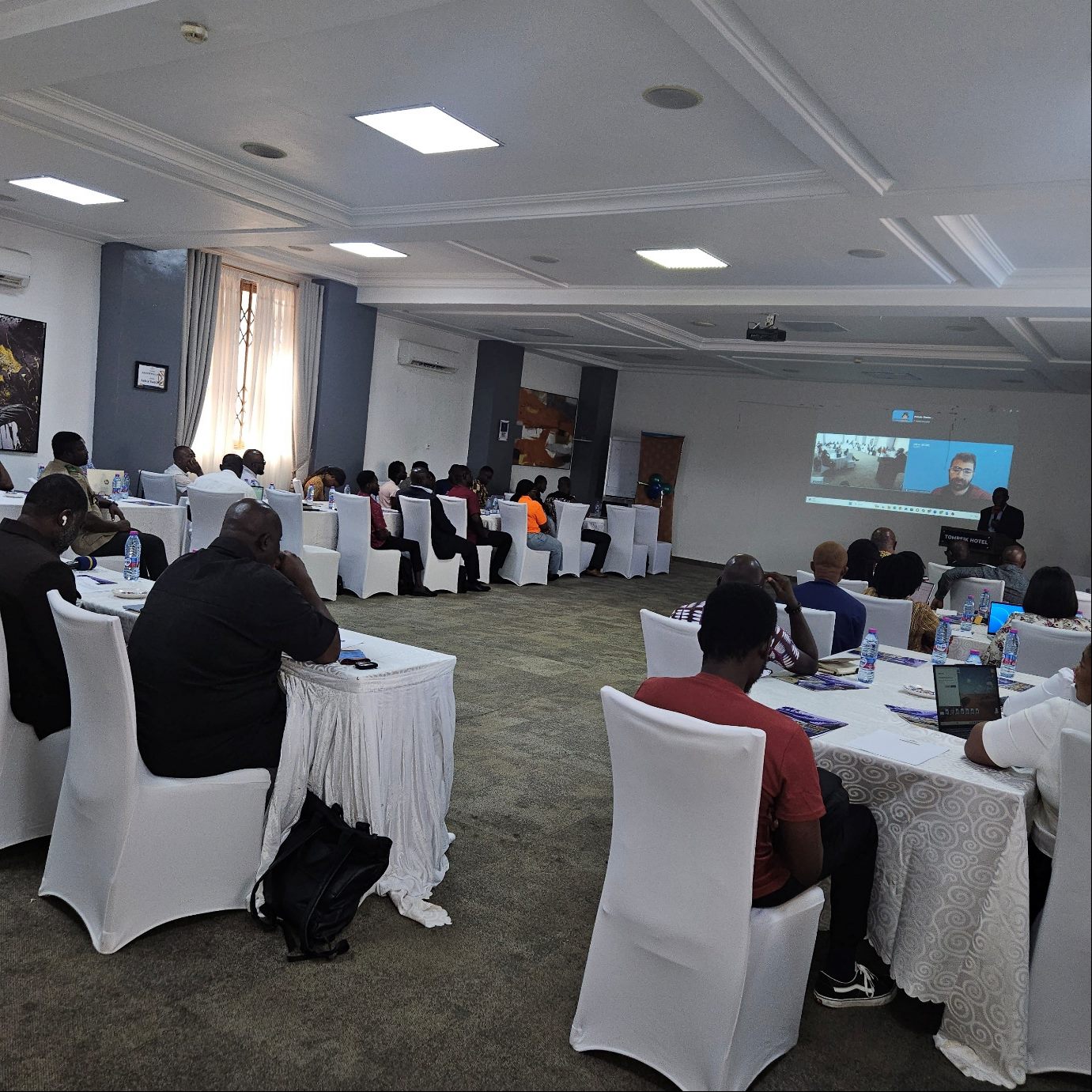
Ghana's Biodiversity Capacity Assessment Identifies Key Priorities for Strengthening National Monitoring Systems
Conservation Alliance International in partnership with the Ministry of Environment Science and Technology has completed Ghana's National Biodiversity Indicator Capacity Assessment under the National Monitoring Support Initiative (NMSI), providing the first comprehensive assessment of the country's capacity to produce biodiversity indicators required for implementing the Kunming-Montreal Global Biodiversity Framework (KMGBF). The assessment evaluated 93 national biodiversity indicators across seven critical capacity areas, offering a clear picture of Ghana's strengths, gaps, and investment priorities for biodiversity monitoring.
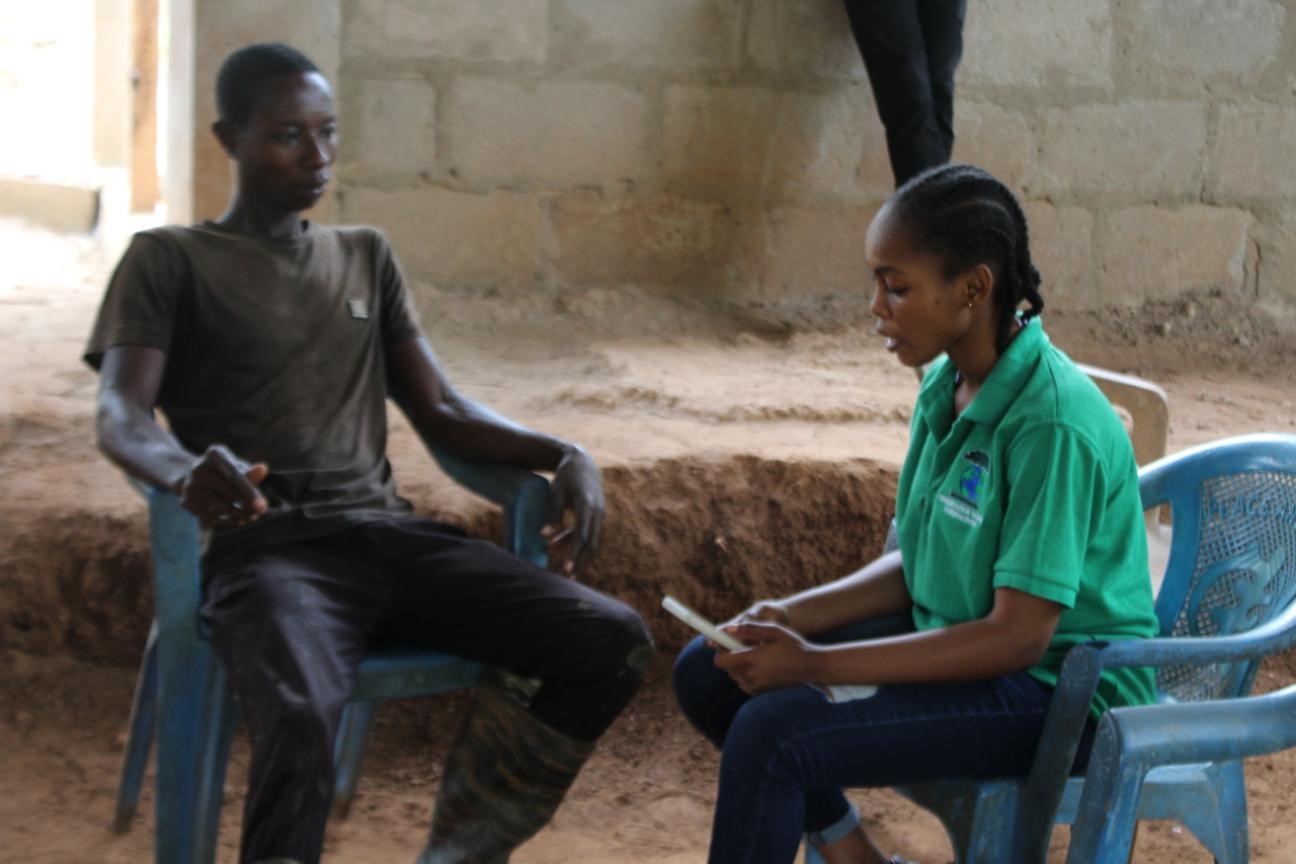
The assessment was informed through a nationwide, participatory process involving approximately 100 representatives from 52 institutions, including government agencies, research institutions, academia, civil society organizations, the private sector, and other key stakeholders. This whole-of-government and whole-of-society approach ensured that the findings reflect a broad range of institutional perspectives and national priorities.
The findings reveal that Ghana has a strong foundation for biodiversity monitoring. Many institutions are already collecting biodiversity data, and basic data management systems are in place to support national reporting. However, the assessment identified significant challenges in transforming available data into coordinated, policy-relevant information due to limited analytical capacity, fragmented institutional coordination, and inadequate investment in people, technology, and long-term financing.
Financial resources emerged as the most critical constraint, followed closely by technological infrastructure and skilled human resources. More than 70% of the country's high-priority biodiversity indicators lack adequate financial and technological support, while many also face shortages of dedicated technical personnel. These capacity gaps threaten Ghana's ability to effectively monitor biodiversity trends and report progress towards national and global biodiversity commitments.
The assessment also found that capacity varies across the 23 KMGBF targets. Areas such as sustainable use of wild species and protected area monitoring perform relatively well due to established institutional systems, while targets requiring collaboration across sectors, including finance, industry, local government, and the private sector remain comparatively weak and require greater coordination and investment.
The results provide an important evidence base for guiding future investments under the National Monitoring Support Initiative. By strengthening institutional collaboration, improving data-sharing mechanisms, building technical capacity, and increasing financial and technological support, Ghana is well positioned to develop a more integrated and sustainable biodiversity monitoring system that supports evidence-based decision-making and effective implementation of the Kunming-Montreal Global Biodiversity Framework.
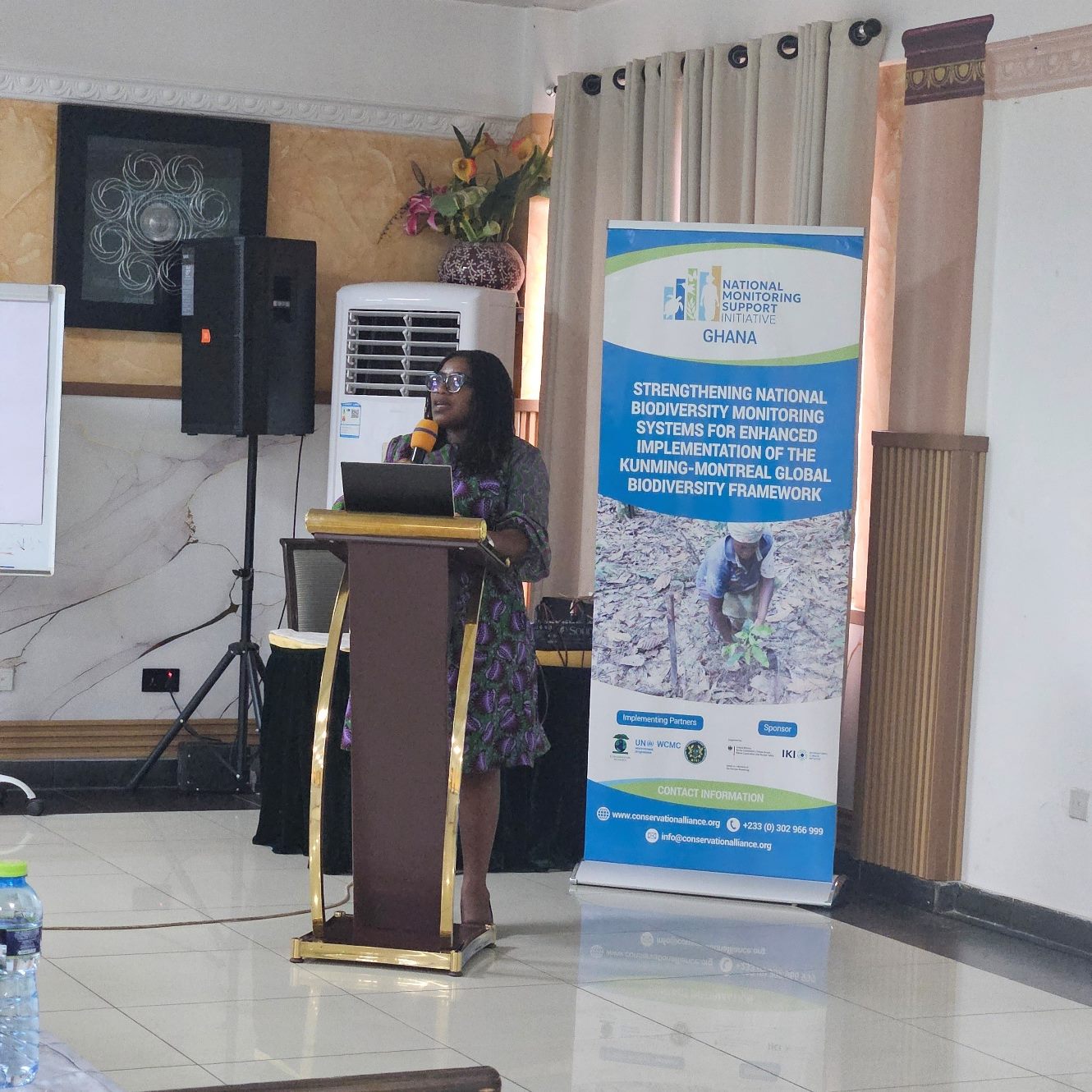
Reliable data. Better decisions for nature.
Partners and institutions work with us to build the monitoring systems behind Ghana's biodiversity commitments.