
Helping people and elephants share the land
Around the Kakum Conservation Area, crop-raiding pushed farmers and forest elephants into conflict. We set out to resolve it — protecting harvests and restoring the habitat of a critically endangered keystone species.
A keystone species under pressure
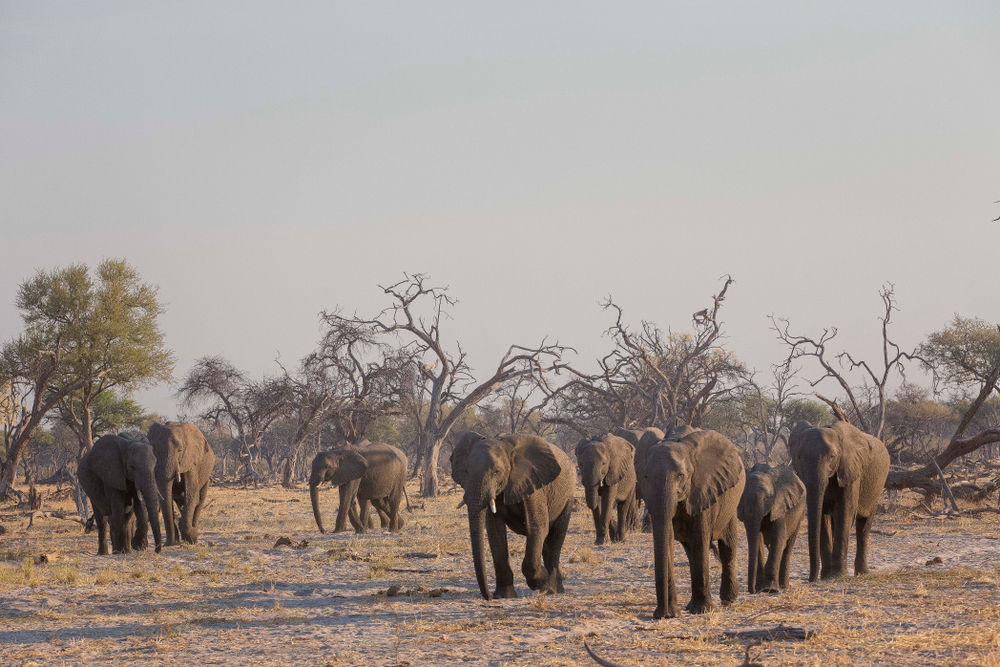
The African forest elephant — a keystone species that supports many other organisms — is listed by the IUCN as critically endangered, and its numbers in the Kakum Conservation Area have been falling.
The decline is driven mainly by habitat loss and human–elephant conflict. Crop-raiding on the park's buffers — fuelled by poor agricultural practices and farm expansion into the reserve — is a leading cause. Our initiative promotes best agricultural practices in surrounding communities while restoring the elephant's habitat (Loxodonta cyclotis).
Protecting crops and protecting elephants turned out to be the same task — met with one coordinated, community-led response.
Two problems, one response
Coexistence by design
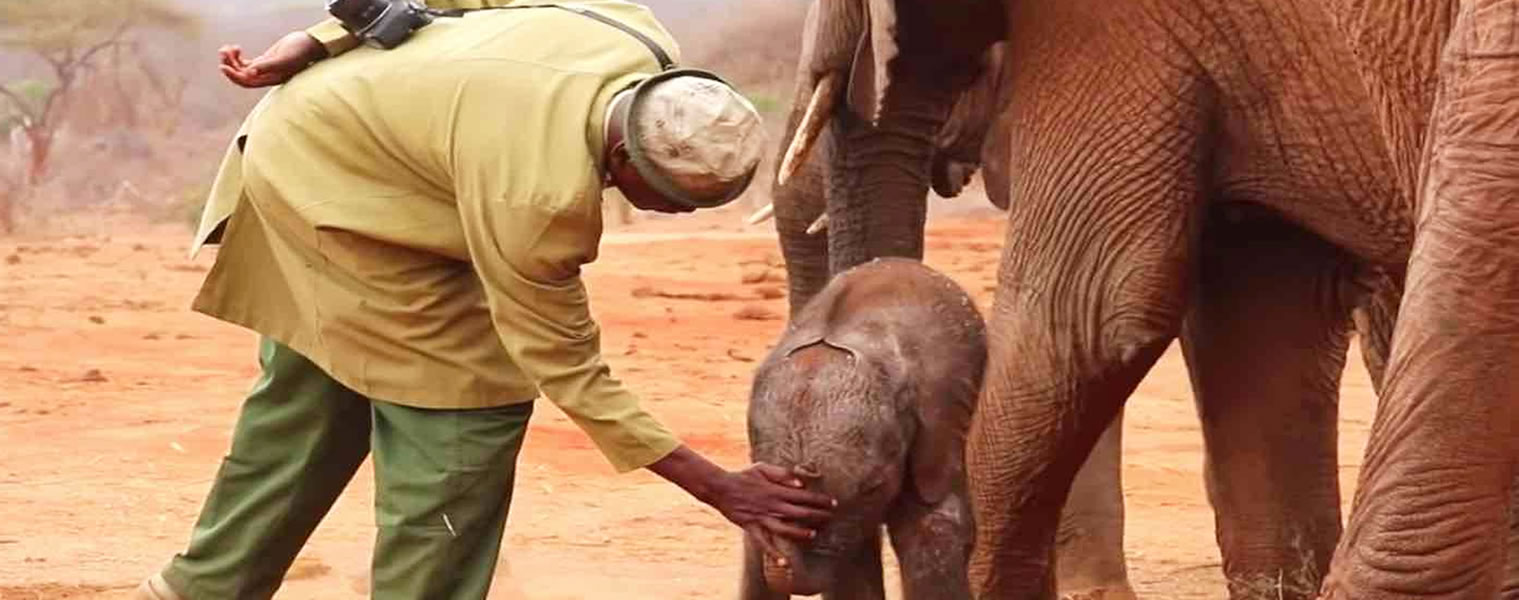
Keep elephants out of farms and farmers out of the forest — while rebuilding the habitat both depend on.
Mitigate Crop Raids
Demonstration fencing installed in November 2022 shielded farms on the buffers.
Good Agricultural Practices
Education on GAP reduced the poor farming that fuels conflict.
Habitat Restoration
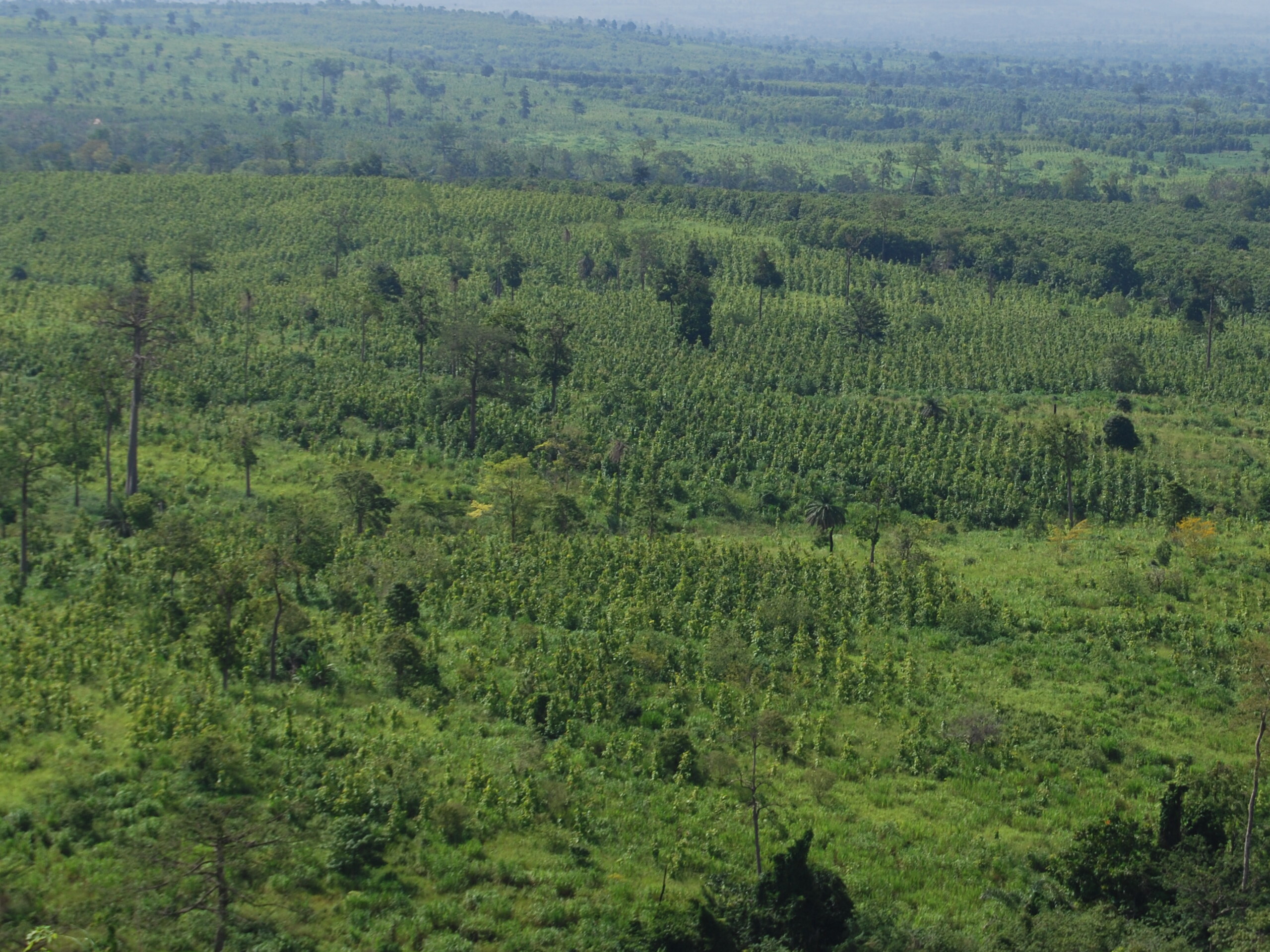
Rebuilding elephant habitat inside the Kakum Conservation Area.
Stakeholder Engagement
Early, active involvement of communities and park managers alike.
Measurable change on the ground
Farmer participation in reforestation, after GAP education
The project restored the intricate, delicate relationship between the human and elephant populations of the KCA — contributing substantially to the preservation and rehabilitation of habitats pivotal to the elephant's survival.
Explore Natural Resource Management
Help people and elephants thrive together
Support conservation that keeps crops safe, communities engaged and the critically endangered forest elephant on the map.