
Biodiversity, grown into cocoa country
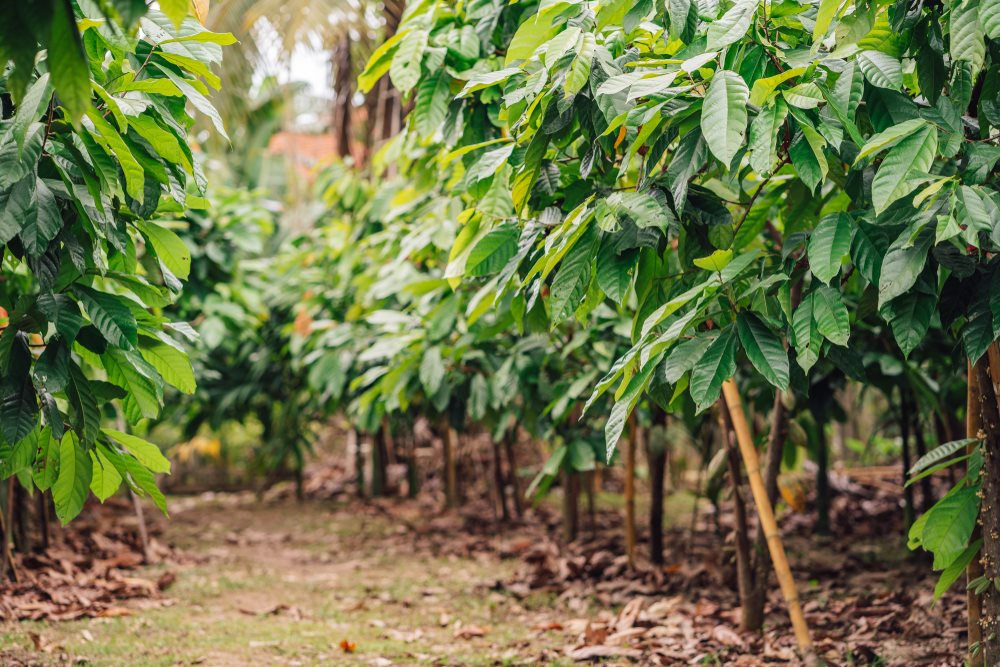
Around the Bia Conservation Area — part of the Guinean Forests hotspot — cocoa is both a threat to globally significant biodiversity and an opportunity to conserve it. This project set out to make cocoa work for both.
A threat — and an opportunity
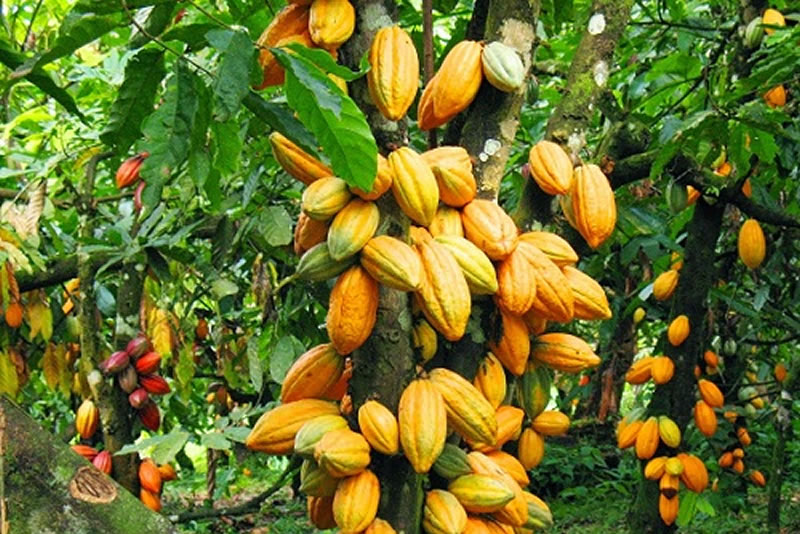
The forests around Bia harbour more than half of all mammal species found in Africa. Cocoa farms threaten that biodiversity — but they can also help conserve it.
With average yields of just 250–300 kg per hectare, there is huge scope to raise output on existing farms rather than clearing more forest. The project tackled the barriers to sustainable cocoa at the market, national and local levels — aligning with the national cocoa policy and Ghana's National Biodiversity Strategy.
Higher yields on existing land mean less pressure to expand — and more forest left standing.
From baseline to certified cocoa
Baseline Research
A socio-economic and environmental baseline, confirmed by ground survey.
Awareness Campaign
Radio, community meetings and open discussions on agriculture, biodiversity, water and climate.
Farmer Trainer Manual
GAP, IPM, shade management, biodiversity, human–wildlife conflict, certification & cocoa-as-business.
Certification Prep
An economic assessment of Rainforest Alliance premiums, and buyer meetings to ready farmers for certified sales.
Community Monitoring
A community-based monitoring protocol and a database to track adoption and impact.
Training that took root
Farmers changed their shade and farm-management practices, and CA's rapid assessments found improved ecological health and fewer pests and diseases — a solid foundation for biodiversity-friendly cocoa for years to come.
Reports & resources
Documents produced under the project, hosted in the BACP / IFC library.
Cocoa that protects the Guinean Forests
This project laid the groundwork for biodiversity-friendly cocoa. Help us keep building on it across West Africa.